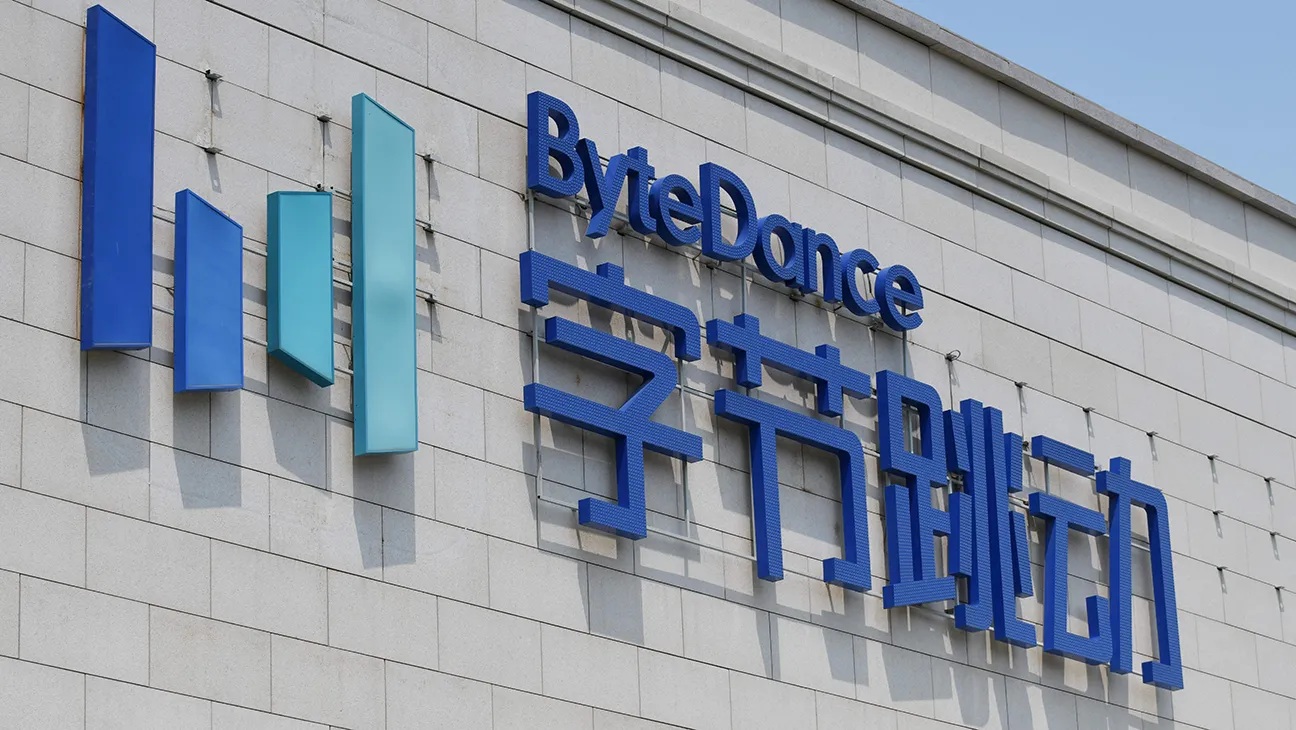
China’s ByteDance, the parent company of the popular short-video platform TikTok, is emerging as a global leader in artificial intelligence (AI) development despite facing increasing regulatory scrutiny from the United States. The company’s rapid progress in AI technologies is positioning it as a key competitor in the global tech landscape, particularly in areas such as generative AI, machine learning, and content recommendation systems.
Expanding AI Capabilities
ByteDance has invested heavily in AI research and development over the past several years. Its focus extends across multiple fronts, including natural language processing, computer vision, and predictive algorithms for content delivery. The company’s proprietary AI models power TikTok’s highly personalized recommendation engine, which has become a benchmark for engagement in social media platforms worldwide. Recent reports indicate that ByteDance is also exploring enterprise AI solutions and cloud-based services, which could expand its influence beyond consumer applications.
The company’s strategic acquisitions of AI startups and collaboration with academic institutions have accelerated its technological edge. By integrating cutting-edge AI capabilities into its platforms, ByteDance is enhancing user experience while creating new avenues for monetization, such as AI-driven advertising and e-commerce personalization.
Navigating U.S. Regulatory Challenges
While ByteDance’s technological growth is impressive, it faces mounting regulatory pressure in the United States. Concerns primarily revolve around data privacy, national security, and the potential influence of a Chinese-owned platform over American users. U.S. lawmakers have debated restrictions on TikTok’s operations, including proposals to limit its data handling or even force divestment of U.S.-based operations.
Despite these challenges, ByteDance appears to be taking a proactive approach. The company has implemented stricter data localization measures, increased transparency regarding algorithms, and explored independent U.S.-based management structures to address regulatory concerns. These steps aim to maintain its market presence in North America while continuing to expand its AI capabilities globally.
Global AI Leadership Ambitions
ByteDance’s investments in AI extend beyond social media. The company is actively developing large language models, AI-assisted content creation tools, and autonomous systems for various applications. By doing so, it is positioning itself to compete with established tech giants in the U.S., such as Google, Microsoft, and Meta, as well as emerging AI leaders in Europe and Asia.
Analysts note that ByteDance’s advantage lies in its massive dataset and sophisticated algorithms, which allow it to train AI systems more efficiently and accurately than many competitors. This data-driven approach not only enhances product offerings but also strengthens its long-term strategic positioning in the AI sector.
Implications for Global Technology Competition
ByteDance’s growing AI expertise underscores the intensifying technological rivalry between China and the United States. While regulatory hurdles may slow its U.S. expansion, the company’s continued innovation ensures it remains a formidable player in global AI development. Its progress could accelerate adoption of AI technologies worldwide, influencing content creation, digital marketing, and enterprise solutions.
For investors and industry watchers, ByteDance’s trajectory highlights the importance of tracking both innovation and geopolitical risk. The company’s ability to navigate regulatory pressures while maintaining rapid technological advancement will be a key factor in shaping the global AI landscape over the coming years.
ByteDance’s leadership in AI demonstrates how a company can simultaneously face geopolitical challenges and technological breakthroughs. By strengthening its AI capabilities and addressing U.S. regulatory concerns, ByteDance is not only securing its position in the digital economy but also shaping the future of artificial intelligence on a global scale. Its progress signals a new era of competition and innovation in which data, algorithms, and strategic agility define market leadership.