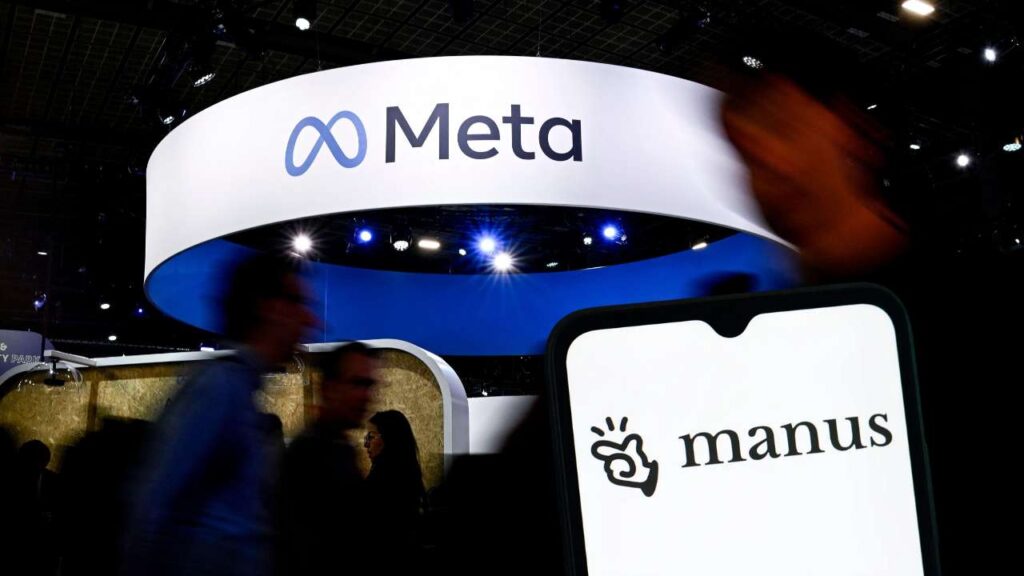
Meta, the parent company of Facebook, Instagram, and WhatsApp, has announced the acquisition of AI startup Manus for over $2 billion, marking one of the largest AI-focused acquisitions in recent years. The deal signals Meta’s aggressive expansion into artificial intelligence technologies, particularly in areas such as AI agents, virtual reality interfaces, and advanced machine learning systems. At the same time, the acquisition has drawn scrutiny from political observers and regulators in the United States and abroad, highlighting the intersection of big tech expansion and geopolitical concerns.
Strategic Rationale Behind the Acquisition
Manus is a leading AI startup specializing in autonomous agent systems, generative AI models, and real-time interactive platforms. Its proprietary technology enables AI agents to perform complex tasks across digital environments, including virtual reality, social media, and enterprise applications. By acquiring Manus, Meta aims to accelerate its AI roadmap, strengthen its AI-driven products, and maintain a competitive edge against other tech giants such as Google, Microsoft, and Amazon.
Meta has emphasized that this acquisition is part of its broader “AI-first” strategy, which seeks to integrate advanced AI across all platforms, enhance user engagement, and create new monetization opportunities. The deal is expected to bolster Meta’s efforts in generative AI, content creation tools, and AI-powered moderation systems, while also supporting long-term innovations in the metaverse.
Political and Regulatory Scrutiny
The acquisition has attracted significant political attention due to Manus’s partial operations in China and the sensitive nature of AI technologies. U.S. lawmakers and security analysts have expressed concerns over the potential for foreign influence, data security, and the concentration of AI power within a few large tech companies. Some policymakers have called for closer scrutiny of Meta’s acquisition to ensure that national security and user privacy are not compromised.
In response, Meta has pledged to maintain stringent data governance practices and ensure that any sensitive AI developments comply with U.S. regulatory standards. The company has also indicated that key AI operations related to Manus will be conducted under strict oversight within the United States, aiming to alleviate political concerns while maintaining innovation momentum.
Implications for the Tech Industry
Meta’s acquisition of Manus represents a broader trend of consolidation within the AI sector. Large technology firms are increasingly investing heavily in AI startups to secure talent, proprietary algorithms, and competitive advantage. Analysts note that this deal could accelerate the development of AI applications in areas such as social media engagement, virtual reality experiences, and enterprise solutions.
The move also underscores the intensifying global competition in AI development. U.S.-based tech companies are racing to advance AI capabilities in response to the growing technological sophistication of companies in China, Europe, and other regions. Acquisitions like Manus help U.S. firms maintain leadership in AI innovation while addressing market demands for smarter, faster, and more autonomous digital systems.
Market and Investor Response
Investors have reacted positively to the news, viewing the acquisition as a strategic move that could enhance Meta’s long-term growth prospects. Meta’s stock showed gains following the announcement, reflecting confidence in the company’s AI strategy and potential to monetize new AI capabilities. However, analysts also caution that political and regulatory hurdles could affect the pace of integration and commercialization of Manus’s technologies.
Future Outlook
Looking forward, Meta plans to integrate Manus’s AI agents into its broader ecosystem, including social platforms, enterprise services, and immersive experiences in the metaverse. This integration is expected to improve user interactivity, content personalization, and automation capabilities. The acquisition also positions Meta as a more formidable competitor in the AI landscape, particularly as global demand for advanced AI solutions continues to rise.
Meta’s $2 billion acquisition of Manus highlights the company’s commitment to dominating the AI sector while navigating complex political and regulatory landscapes. By securing cutting-edge AI technology and talent, Meta aims to accelerate its innovation trajectory, strengthen its competitive position, and shape the future of AI-driven digital experiences. At the same time, the deal illustrates the delicate balance between technological advancement and political oversight in today’s global tech ecosystem.