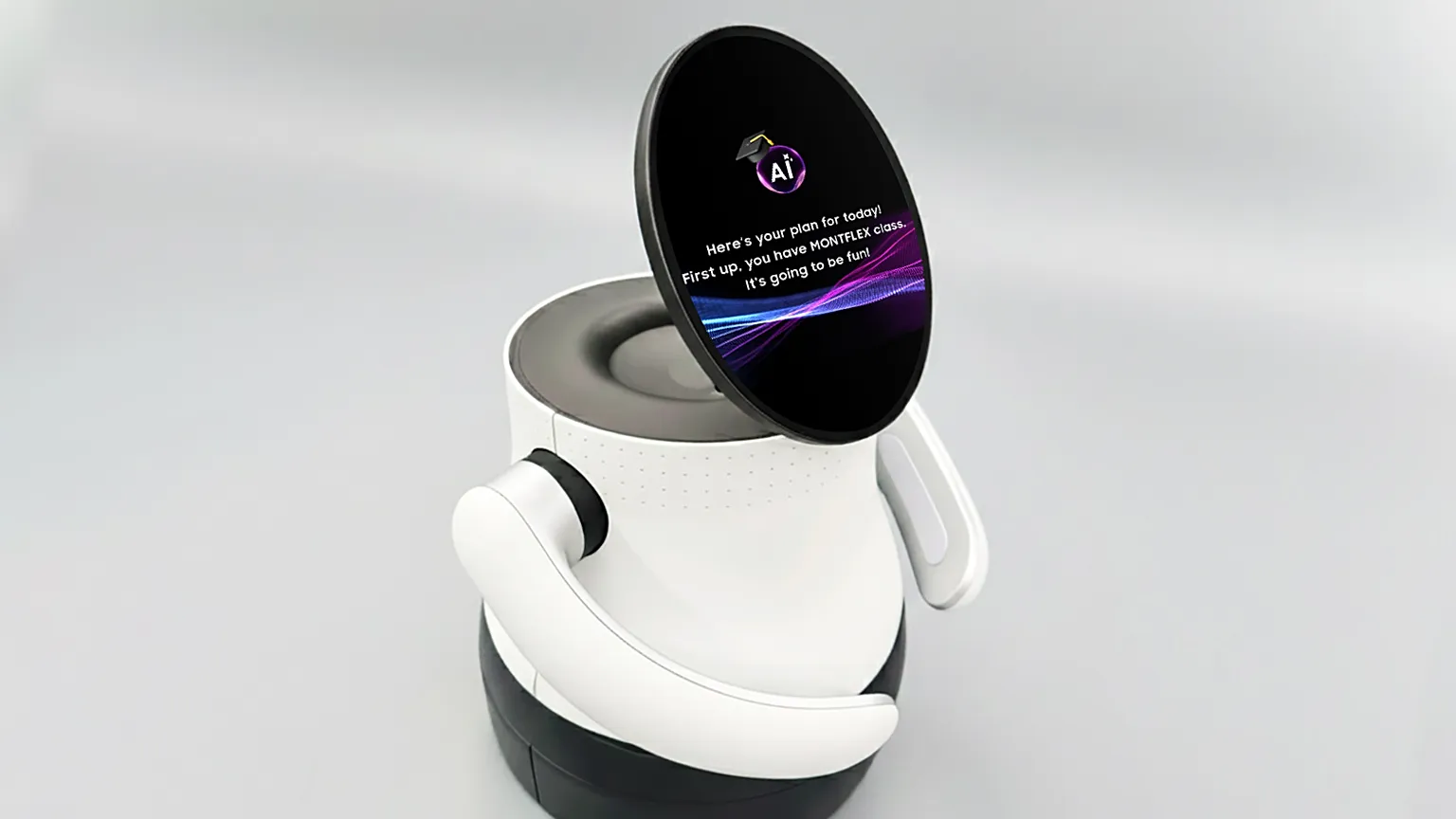
The Consumer Electronics Show (CES) 2026, held in Las Vegas, has emerged as a key platform for unveiling the next generation of wearable technology and innovative translation devices. This year, exhibitors are highlighting products that blend cutting-edge hardware with advanced artificial intelligence (AI), enabling new ways for users to interact with the world, communicate across languages, and integrate technology seamlessly into daily life.
Disruptive Wearable Technology
Wearable devices at CES 2026 are pushing the boundaries of health monitoring, communication, and augmented reality. Key trends include:
- Health and Wellness Monitoring: Smartwatches, fitness bands, and biometric devices now integrate AI-driven analytics to track not only steps and heart rate but also more advanced metrics such as blood oxygen variability, stress levels, and early detection of potential health issues.
- Augmented Reality (AR) Wearables: AR glasses and headsets allow users to overlay digital information onto the physical world. New devices focus on enhancing productivity, immersive entertainment, and educational experiences, while offering lightweight and stylish designs that encourage everyday use.
- Integrated AI Assistance: Wearables now provide real-time assistance for scheduling, navigation, and task management, powered by AI algorithms that adapt to individual behavior patterns. This level of personalization makes wearables increasingly indispensable for both personal and professional use.
Companies are emphasizing comfort, style, and battery life improvements, responding to consumer demand for devices that are both functional and unobtrusive.
Translation Headphones: Breaking Language Barriers
One of the most talked-about innovations at CES 2026 is the emergence of translation headphones capable of interpreting multiple languages in real-time. These devices utilize advanced neural network models and AI-driven natural language processing to provide near-instantaneous translations for conversations, conferences, and travel applications. Key features include:
- Multi-Language Support: Headphones now support dozens of languages, allowing seamless communication between speakers of different linguistic backgrounds.
- Low Latency and High Accuracy: AI algorithms reduce lag time and improve contextual understanding, ensuring that translated speech remains natural and intelligible.
- Integration with Communication Platforms: Many translation headphones can connect directly to smartphones, video conferencing tools, and social platforms, making them versatile for both personal and business use.
This technology has the potential to reshape international business, education, and tourism by reducing language barriers and enabling more fluid, real-time interaction across cultures.
Industry Implications
The advancements showcased at CES 2026 highlight several key trends in consumer and enterprise technology:
- AI as a Core Driver: Both wearables and translation devices rely heavily on AI, emphasizing its central role in next-generation product development.
- User-Centric Design: Companies are prioritizing usability, comfort, and aesthetics alongside technological sophistication, reflecting the need for devices that integrate naturally into users’ lives.
- Cross-Industry Applications: From healthcare and education to business and travel, wearable technology and translation tools are expanding into multiple sectors, providing tangible benefits beyond personal use.
The show demonstrates that the future of consumer electronics is not only about gadgets but also about creating intelligent, adaptive solutions that address real-world problems.
Challenges and Considerations
Despite their promise, disruptive wearables and translation headphones face challenges:
- Privacy and Data Security: Devices collecting health metrics or conversational data must adhere to strict privacy standards and ensure secure handling of sensitive information.
- Battery Life and Hardware Limitations: Advanced AI processing can strain battery life, making energy efficiency a critical factor for widespread adoption.
- Market Competition and Adoption: With multiple companies entering the space, differentiation through functionality, reliability, and ecosystem integration will be crucial for commercial success.
Manufacturers are actively addressing these concerns through improved hardware design, edge AI processing, and partnerships with regulatory bodies and healthcare providers.
CES 2026 has showcased how wearable technology and translation headphones are evolving from novel gadgets into transformative tools for everyday life. By combining AI, ergonomics, and practical functionality, these devices promise to redefine personal productivity, global communication, and human interaction. As adoption grows, they may become essential components of the modern tech ecosystem, demonstrating how innovation at the intersection of hardware and AI can reshape the way people connect, work, and live.